Home / Solar Daylighting System

Solar Daylighting System

Dual-axis tracking · Lens concentration · Fiber transmission — delivering the real solar spectrum to the windowless corners of a building.

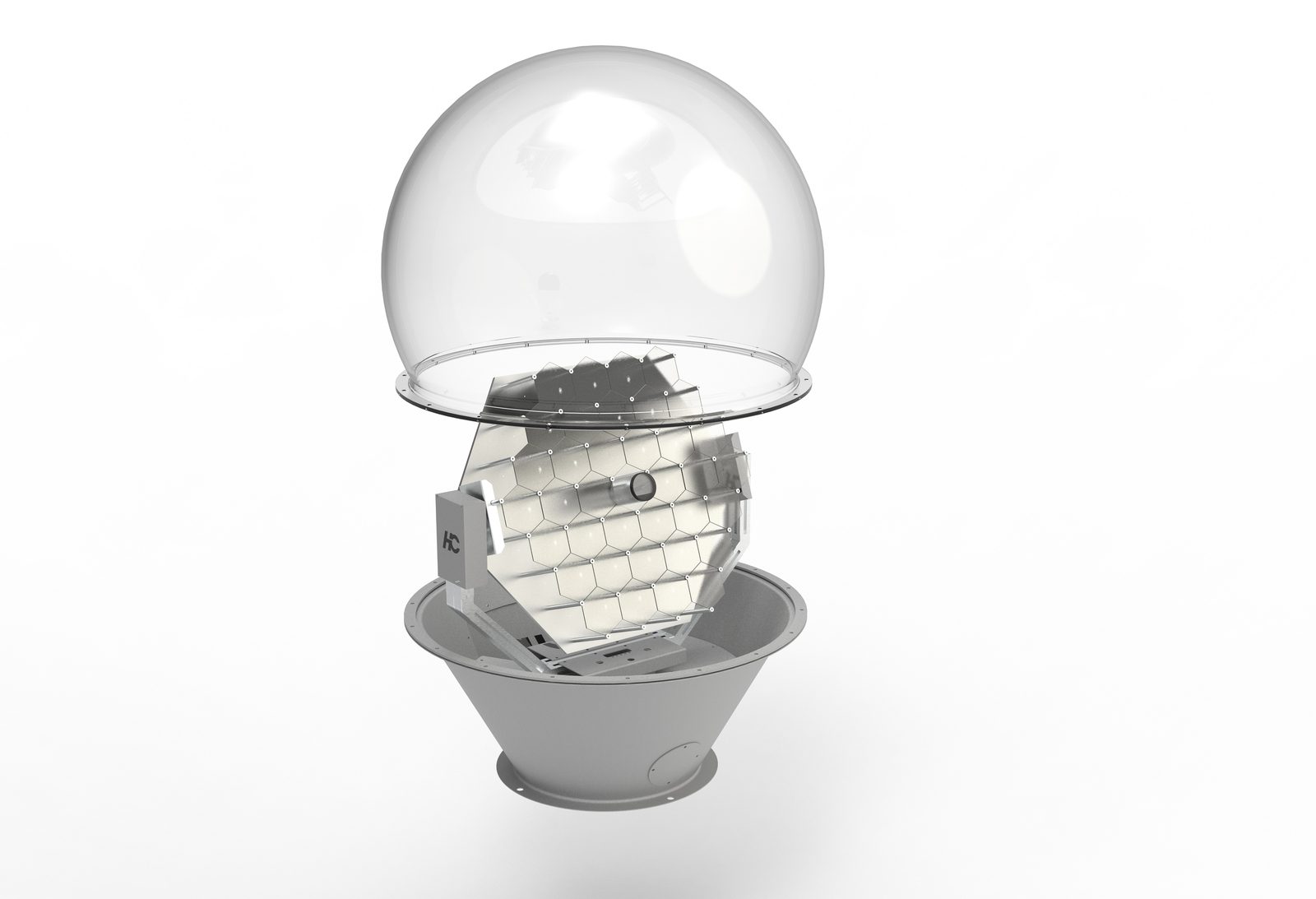
Hechang solar daylighting collector with hexagonal Fresnel lens array inside a transparent dome
PRODUCT OVERVIEW

Real Sunlight, Not a Simulation

Mounted on the roof, the collector tracks the sun all day with 0.02° precision. Thirty-six hexagonal Fresnel lenses concentrate sunlight into high-purity quartz fibers, which route flexibly through floors and walls to deliver near-daylight illumination anywhere indoors.

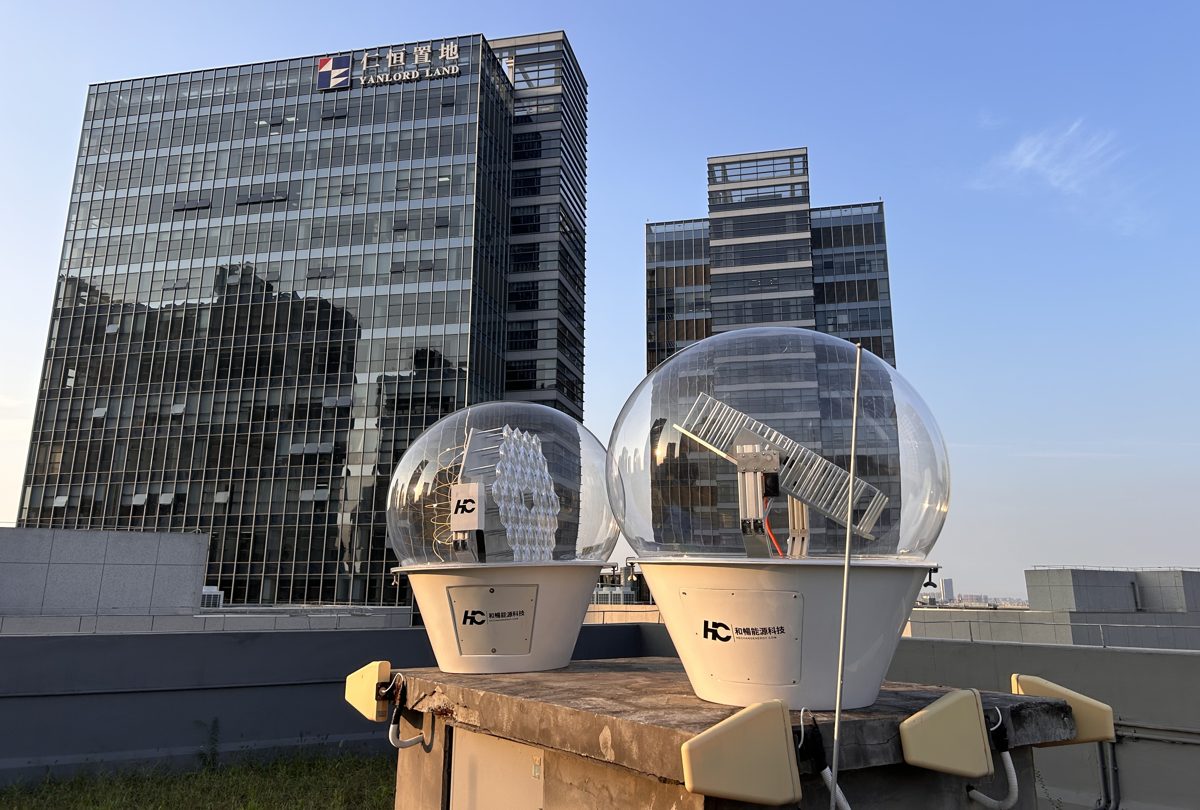
Two Hechang solar daylighting units operating on a commercial rooftop in Jianye District, Nanjing
On-site photo · Jianye District, Nanjing
ON SITE

Running on a Real Rooftop

Two solar daylighting units are installed on the roof of a commercial complex in Jianye District, Nanjing, tracking the sun automatically all day. All optics and drives sit inside the clear dome, which rain keeps clean without manual wiping.

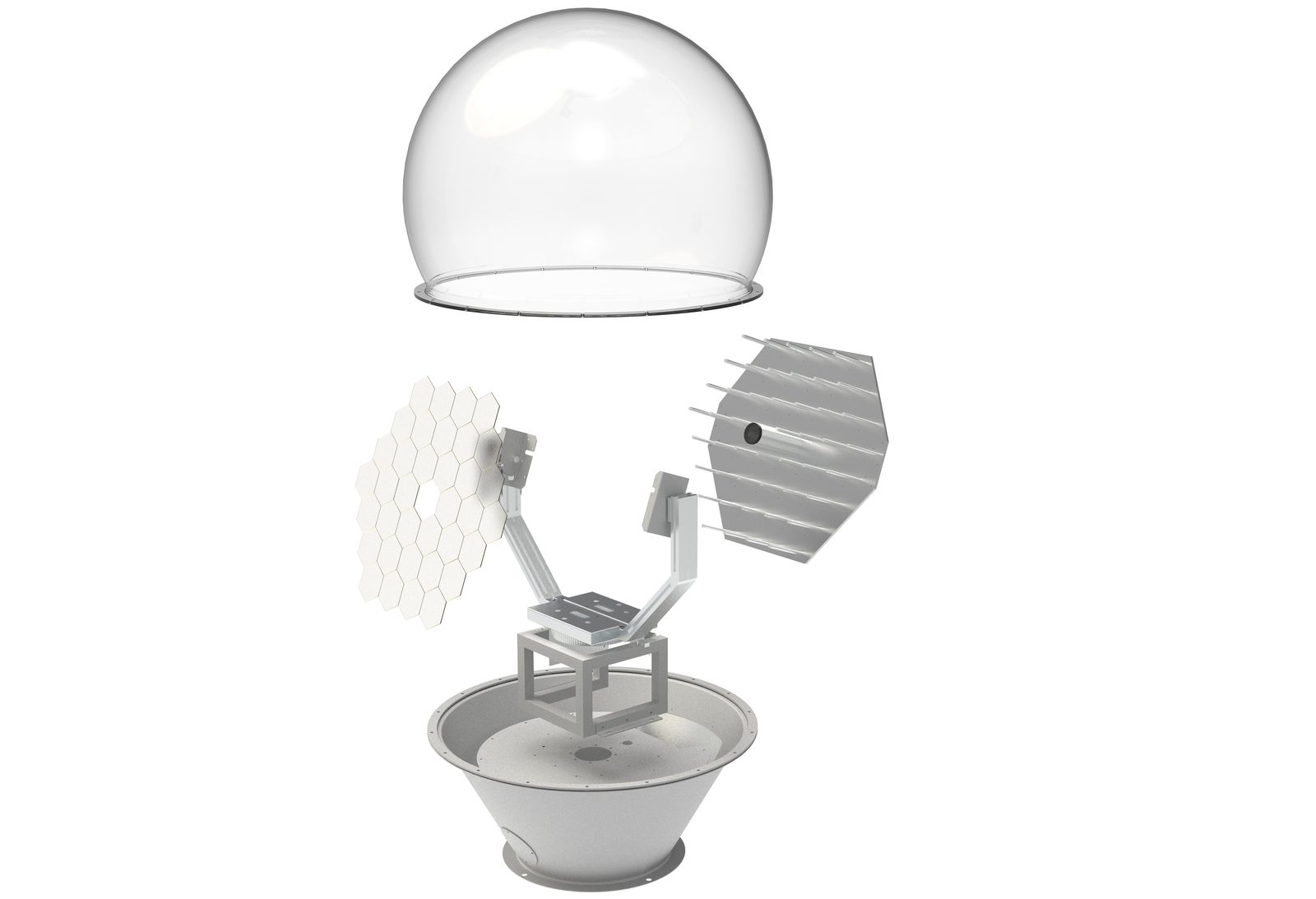
Exploded view: transparent dome, twin lens arrays, dual-axis gimbal and base
STRUCTURE

Engineered for Years Outdoors

The unit consists of a transparent dome, twin hexagonal lens arrays, a dual-axis tracking gimbal and a conical base. All optics and drives are sealed inside the dome, protected from wind and rain.

HOW IT WORKS

A Sunbeam's Journey Indoors

1

Precision Tracking

The dual-axis mechanism follows the sun from dawn to dusk at 0.02° precision, running on astronomical trajectory even under clouds.

2

Lens Concentration

Thirty-six hexagonal Fresnel lenses in a honeycomb layout focus sunlight onto the fiber inlets.

3

Fiber Transmission

High-purity quartz fibers carry visible light with low loss, routing flexibly through floors and walls.

4

Indoor Illumination

9–18 outlets with a range of luminaire options bring near-daylight illumination deep into the home.

SPECIFICATIONS

Key Specifications

TrackingDual-axis closed loop; hybrid photoelectric + astronomical algorithm; auto-homing on power-up
Tracking accuracy0.02°
DriveSelf-locking worm gears on both axes; holding current released in position — silent and cool
Lens array36 hexagonal Fresnel lenses (PMMA optics), honeycomb layout
TransmissionHigh-purity quartz fiber (≥75% transmittance over 100 m); plastic optical fiber option for outlets within 10 m
Light outlets9–18 per unit depending on luminaire type, allocated to floor plan and scene
Power drawAll-day average below 0.5 W (tracking drive only; the lighting itself uses zero energy)
EnclosureOptical-grade high-transmittance PC dome, UV coating, rain self-cleaning, labyrinth ventilation
WarrantyLifetime warranty on core mechanisms
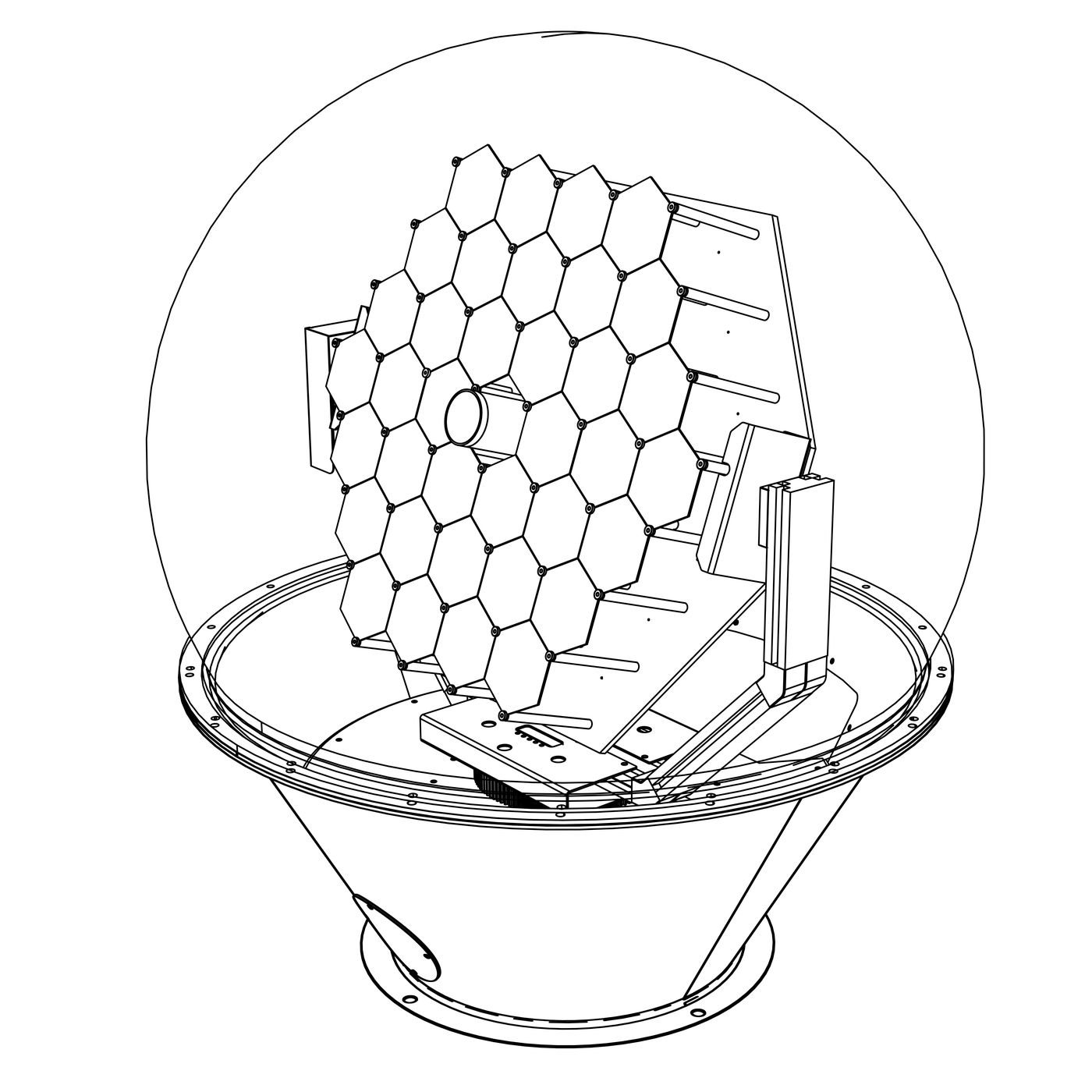
Structural line drawing of the solar daylighting collector
Structural drawing · lens array and gimbal inside the dome

* Request the technical manual for full specifications and installation requirements.

APPLICATIONS

Where Sunlight Should Reach

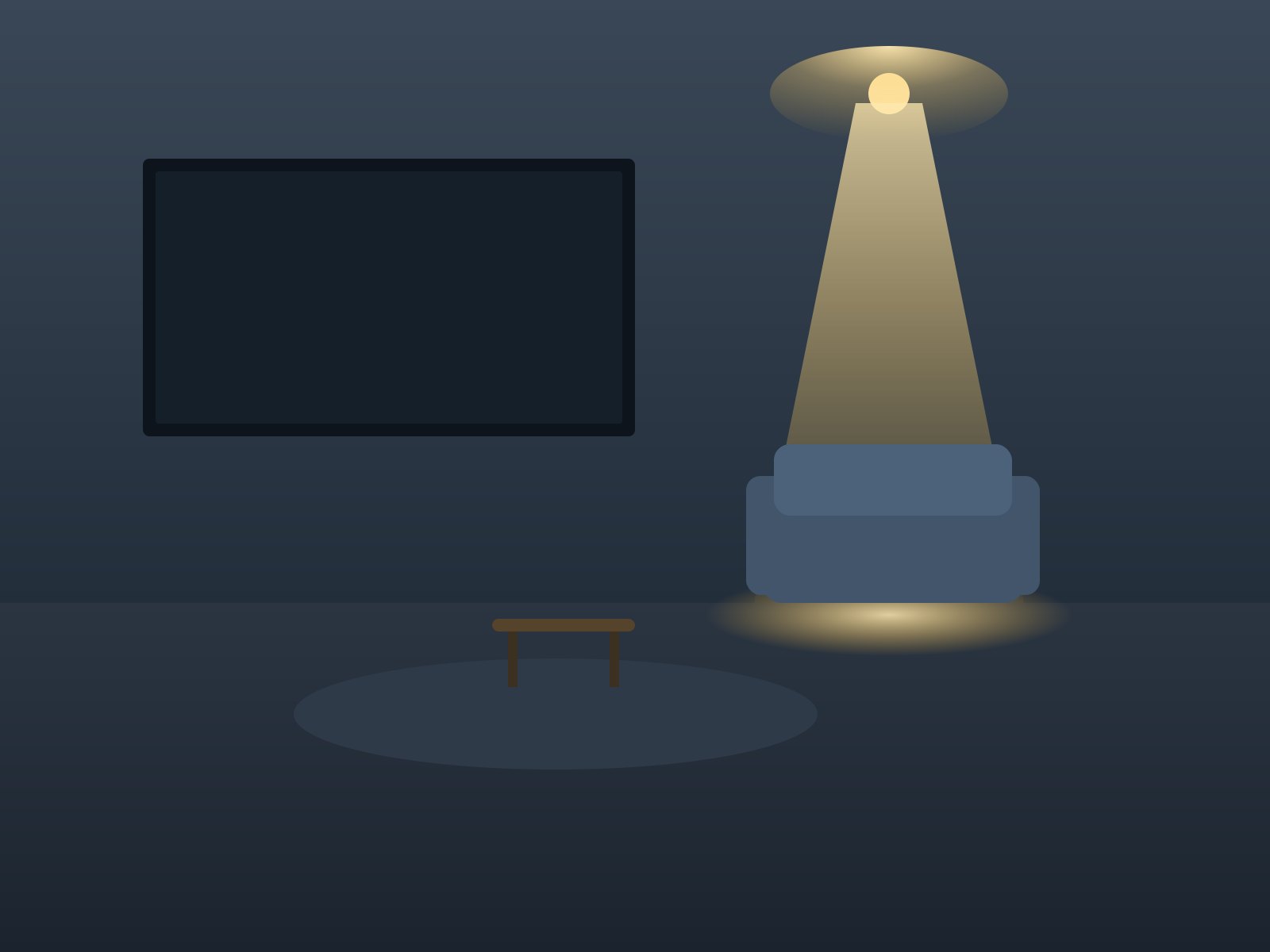
Daylight in a basement home theater

Basement · Home Theater

A patch of daylight without a single window — basements no longer feel like spare space.

Natural light in a windowless bathroom

Windowless Bathroom

Bring morning sunlight to the morning routine and transform the feel of an internal bathroom.

Indoor green wall under natural light

Green Wall · Foyer

A near-daylight spectrum supports plant growth, keeping indoor green walls thriving long-term.

SUNLIGHT & WELLBEING

Why Real Sunlight

Sleep and metabolism research published in 2025 links ample daytime natural-light exposure with more regular circadian rhythms and better sleep quality. The system transmits the real solar spectrum — something no artificial light source can fully replicate.

Note: the research above reflects correlations between natural light exposure and health indicators. This product is a lighting device and makes no medical claims.
FAQ

Frequently Asked Questions

The questions customers ask most about solar daylighting.

What is a solar daylighting system, and how is it different from a skylight?

A solar daylighting system is a roof-mounted collector: a dual-axis drive tracks the sun with 0.02° precision, 36 Fresnel lenses concentrate sunlight into optical fibers, and the fibers deliver natural light to outlets indoors.

A skylight only lights the room directly beneath the roof. Flexible fibers run through floors and walls, so sunlight can reach basements and windowless rooms a skylight can never serve, without the leaks, summer overheating and privacy issues skylights often bring.

How can I bring natural light into a basement or windowless bathroom?

There are three common approaches: light wells or skylights, which only work for spaces right under the roof or against an outside wall; tubular daylighting devices, which suit spaces a short, straight run below the roof; and fiber-optic solar daylighting, which carries sunlight collected on the roof deeper and farther.

For villa basements, home theaters and windowless bathrooms more than one floor below the roof, fiber-optic daylighting is usually the only way to bring in real sunlight. Each unit supports 9–18 light outlets depending on the luminaire type, shared across several rooms.

How does it compare with full-spectrum LED lighting?

A full-spectrum LED makes artificial light from electricity and simulates the solar spectrum. A solar daylighting system delivers sunlight itself: the lighting uses no electricity, and the whole unit averages under 0.5 W over a day, used only by the tracking drive.

The two work together rather than compete. Sunlight varies with weather and time of day and is absent at night, while LED output is steady. Projects usually pair fiber outlets with LED fixtures: sunlight by day, LED at night or on overcast days.

How far can the fiber carry light, and how many floors can it pass through?

Two fiber types are available. High-purity quartz fiber has low loss and keeps over 75% transmittance across 100 meters, enough to run from the roof to a basement through several floors. For outlets within 10 meters, plastic optical fiber is a lower-cost option.

The fiber is flexible and can run through shafts or ceiling voids; mixing the two types by outlet distance balances performance and budget.

Does it need maintenance? How long does it last?

It is essentially maintenance-free. The dome is high-transmittance PC that rain keeps clean, so no regular wiping is needed, and the self-locking worm-gear drive has no wear parts that need routine replacement.

The core mechanism carries a lifetime warranty (lifetime replacement parts, excluding improper installation, human damage and force majeure; natural fiber attenuation and installation damage are not covered).

Solar daylighting vs. tubular daylighting: what is the difference and where does each fit?

Both bring in natural light without electricity. They differ in how light travels and how they are installed:

  • Tubular daylighting uses rigid, highly reflective tubes. Each tube admits a lot of light at low cost with no moving parts, but it must run almost straight down from the roof, and openings are best planned at the building design stage; cutting through floors after construction is difficult. It suits new factories, warehouses, sports halls and underground car parks.
  • Solar daylighting uses flexible fiber that bends and passes through several floors through small holes, so existing buildings can be retrofitted. Compact outlets can be styled as luminaires for villa basements, windowless bathrooms and indoor green walls.

In short: tubular daylighting for large new spaces focused on energy savings; solar daylighting for existing buildings and quality spaces far from the roof. Hechang offers both and can combine them by project.

Bring Sunlight Into Your Home

It starts with a site survey — we assess your roof and cabling routes and propose a light-outlet plan.

Book a Site Survey